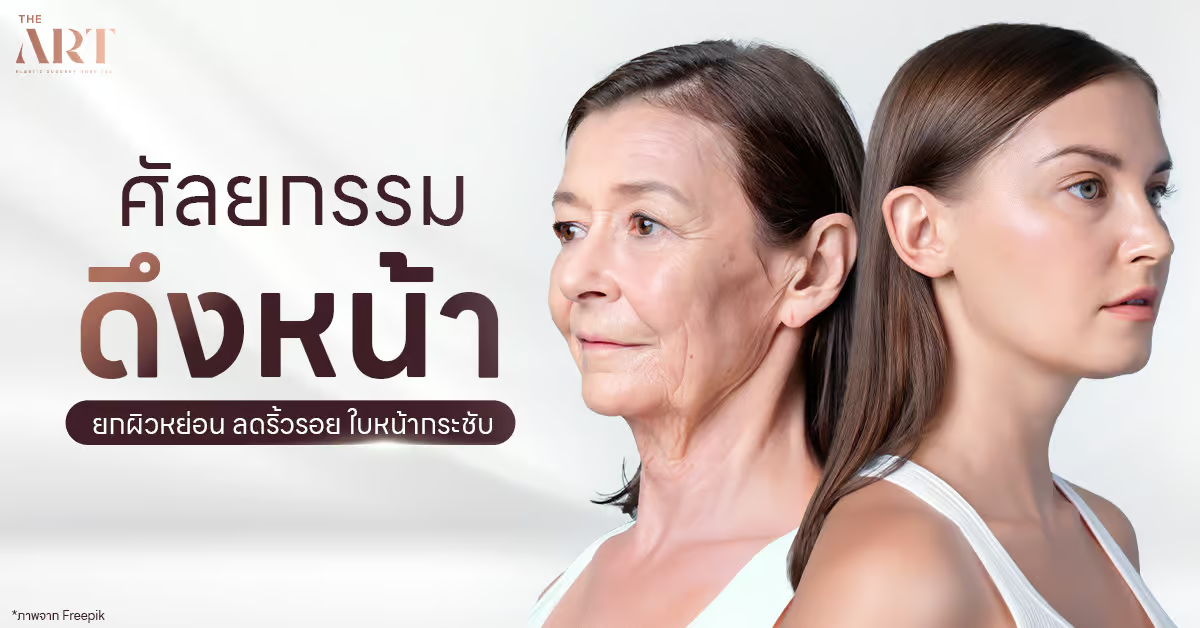
If you are struggling with sagging facial skin, a weak jawline, drooping cheeks, or deep facial lines that make you look tired, these issues may not come only from the surface of the skin but also from changes in the deeper tissues and supporting facial structures.
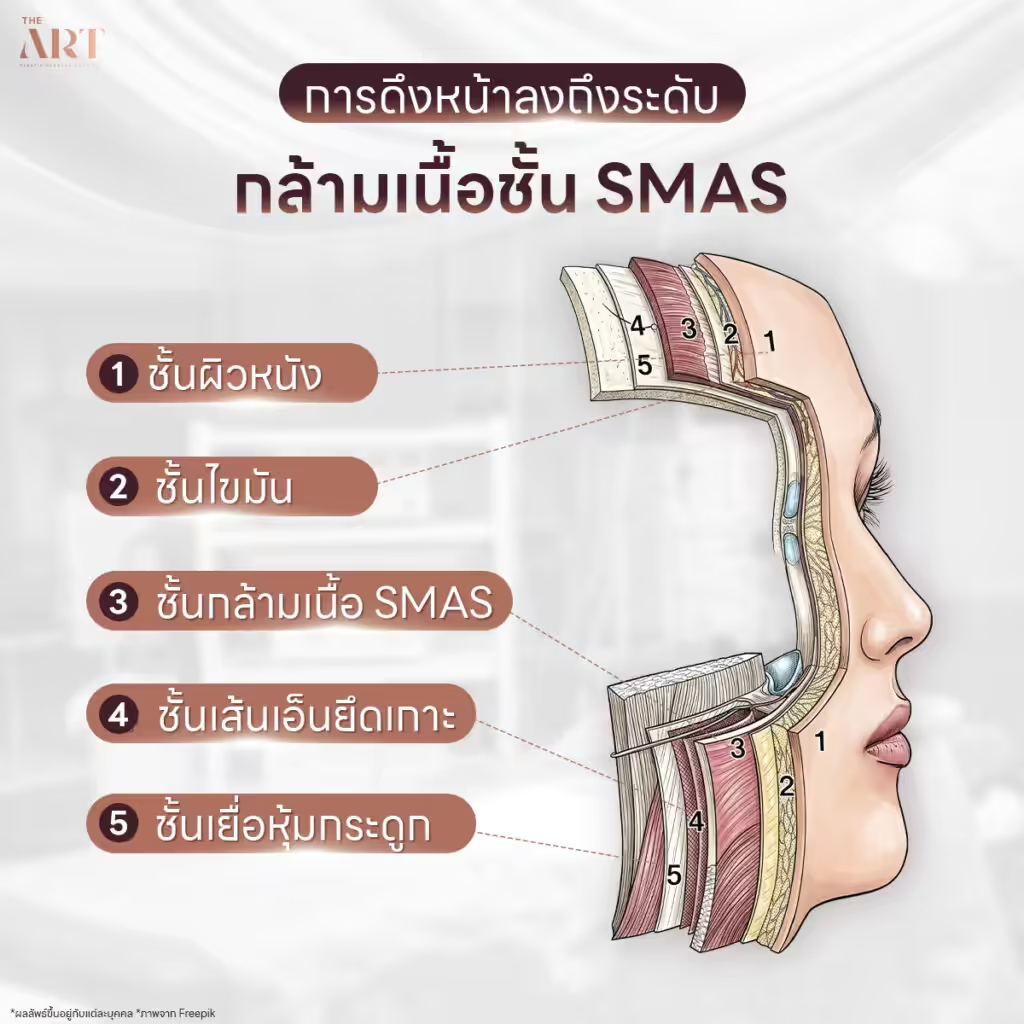
Endoscopic facelift surgery is one of the medical techniques used to lift and tighten the face using a small endoscopic camera, which allows the surgeon to see and work precisely on the deeper SMAS layer. However, many people still wonder whether an endoscopic facelift is truly safe and what kinds of side effects they might experience.
This article will help you understand the risks and key safety factors related to endoscopic facelift surgery. For more background information, you can also read What is endoscopic facelift? and Benefits of endoscopic facelift.
Key Takeaways
- Endoscopic facelift is a procedure that works on the deeper facial support structures, such as the SMAS layer, using an endoscopic camera to clearly visualize the internal tissues.
- Temporary side effects during recovery, such as swelling, bruising, or changes in sensation, can occur and may vary from person to person.
- The level of risk depends on several factors, including your overall health, the surgeon’s technique, and the safety standards of the clinic or hospital.
- Proper preoperative preparation and careful postoperative care can help reduce the chance of side effects and complications.
- A thorough assessment by a qualified doctor before surgery is essential to choose the most suitable treatment plan for each individual.
How safe is endoscopic facelift from a medical perspective?
Endoscopic facelift surgery is a medical procedure that has continuously advanced in terms of techniques and technology. Here are the key aspects related to how it works on facial structures:
The use of endoscopic technology in facelift surgery
The endoscope allows the surgeon to clearly visualize the facial structures beneath the skin, even through very small incisions. This enables more precise work on the deeper tissue layers while reducing damage to surrounding structures, and supports customized adjustments according to each patient’s specific facial anatomy.
Working at the deeper structural level of the face
Endoscopic facelift does not focus solely on pulling the outer skin. Instead, it addresses the deeper layers, such as the SMAS layer or the facial connective tissue, helping to reposition and restore the balance of the overall facial structure.
Monitoring and control during surgery
The surgical procedure is performed under close medical supervision, including monitoring of vital signs and following standard protocols throughout the operation. Hospital accreditation standards and the surgeon’s experience are both key factors in ensuring the safety of the procedure.

What are the side effects of endoscopic facelift?
Like other medical procedures, endoscopic facelift surgery may involve side effects. Most of these are temporary and commonly experienced during the recovery period.
| Side effect | ลักษณะ | ระยะเวลา |
|---|---|---|
| Swelling, bruising, skin tightness | Normal body response to surgery | Gradually improves within 1–2 weeks |
| Temporary numbness | Due to working near nerve pathways | Usually temporary, gradually resolves |
| Wound discomfort | Tightness or irritation around the wound area | Decreases with proper wound care as advised by the doctor |
| Rare complications | Such as infection or surgical complications | Depends on multiple factors; consult your doctor |
Swelling, bruising, and skin tightness after surgery
After surgery, it is common to experience swelling, bruising, or tightness around the face. These are the body’s natural responses to the procedure. Symptoms typically subside gradually, depending on the individual’s physical condition and the care provided during recovery.
Numbness or temporary changes in sensation
In some areas, there may be numbness or changes in sensation around the treated area. This is due to the procedure working in close proximity to nerve pathways. These sensations are generally temporary and tend to improve over time.
Skin discomfort or tightness around the wound
Some patients may experience mild skin tightness or irritation around the wound area. Proper wound care as directed by the doctor helps reduce these symptoms and supports faster recovery.
Risks that may occur in certain cases
While not found in every case, facelift surgery carries potential risks such as infection or other surgical complications. Choosing an accredited hospital and following the doctor’s instructions closely throughout the recovery process are essential for minimizing these risks.
Key factors that affect the safety of endoscopic facelift
The safety of facelift surgery depends not only on the technique used, but also on several factors working together.
1. Overall health and underlying medical conditions
Patients who are generally healthy tend to recover better. However, those with certain chronic conditions may be at higher risk. A thorough medical evaluation and adequate recovery preparation are recommended before undergoing surgery.
2. Surgical technique and the surgeon’s experience
The surgeon’s expertise plays a crucial role in treatment planning and the execution of each procedure, ensuring it is appropriate for each individual’s facial structure.
3. Hospital standards and operating room quality
An accredited hospital equipped with proper instruments and safety monitoring systems significantly reduces the risk throughout the treatment process.
4. Pre- and post-operative self-care
Following the doctor’s instructions—such as proper preparation before surgery and careful post-operative care—reduces the risk of complications and promotes a smoother recovery.

How to prepare to minimize side effects of endoscopic facelift surgery
Preparation before the procedure
Before surgery, the doctor will conduct a thorough assessment of overall health and medical history to plan the most suitable treatment. Sharing information about any existing conditions, current medications, or previous surgical history helps create a more personalized care plan.
Fasting, stopping supplements, or discontinuing certain medications
In some cases, the doctor may advise avoiding certain medications or supplements that can affect bleeding, such as blood thinners or alcohol, before the procedure, to help reduce the risk of complications.
Consultation and treatment planning with the doctor
Openly discussing concerns about the treatment and expected outcomes is important for helping patients access the most appropriate care and allowing the doctor to tailor the treatment plan most effectively.
Post-operative care after endoscopic facelift to minimize risks
Wound care and recovery
Proper wound care as directed by the doctor and adequate rest help minimize symptoms such as swelling and bruising, which typically subside gradually over time.
Activities to avoid during the early recovery period
Certain activities that put pressure on the treated area—such as strenuous exercise, prolonged sun exposure, or touching the face—should be avoided in the early recovery period. Avoiding alcohol and smoking also helps support healing.
Monitoring for unusual symptoms
If any unusual symptoms occur—such as excessive swelling, severe pain, or signs of infection—please consult your doctor promptly for guidance.
Follow-up appointments
Regular follow-up appointments allow the doctor to monitor the recovery process and provide personalized aftercare recommendations suited to each individual.
Who is a good candidate for endoscopic facelift from a safety perspective?
- Those who are generally healthy – No underlying conditions that may affect surgery or recovery; a medical evaluation can be done to assess suitability.
- Those without certain medical contraindications – Such as no blood clotting disorders or other conditions that may increase risk. A medical evaluation by the doctor is recommended.
- Those who can follow post-operative care instructions – Such as resting adequately, avoiding certain activities, and following the doctor’s guidance throughout the recovery period.
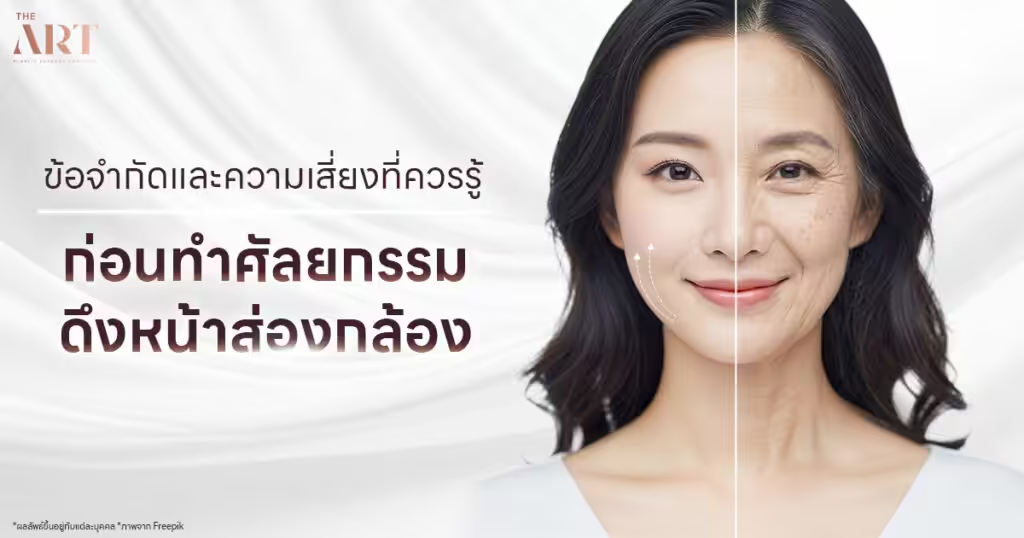
Limitations and risks to understand before undergoing the procedure
- Individual variation in results – Outcomes depend on factors such as age, facial structure, and post-operative care.
- Limitations of endoscopic facelift – Suitable for those with mild to moderate facial laxity; in cases with extensive skin concerns, alternative surgical approaches may be required.
- The importance of evaluation by the doctor – To determine the most appropriate approach based on facial structure and minimize risks.
Summary: Is endoscopic facelift safe?
Endoscopic facelift is an advanced surgical technique that uses an endoscope and works at the SMAS layer. It is less likely to cause common side effects such as swelling, bruising, or skin discomfort compared to conventional facelift surgery. However, there are still potential risks that may occur in certain cases.
Therefore, it is important to receive a proper medical evaluation, take good care of yourself, and choose a procedure suited to your facial structure and health status. Results may vary by individual.
Frequently asked questions about endoscopic facelift safety (FAQ)
How long is the recovery after endoscopic facelift surgery?
Most patients experience swelling and bruising for about 3–7 days. The area typically settles within the first 1–2 weeks, and visible results become clearer around 3 months. Recovery time varies depending on individual health and post-operative care.
How long do endoscopic facelift results last?
Results typically last approximately 5–10 years, depending on skincare, age, and individual skin condition.
Where are the incisions hidden in endoscopic facelift?
Incisions are typically placed at or behind the hairline, approximately 1–2 cm, making them virtually invisible from the outside.
Is endoscopic facelift surgery painful?
The procedure is performed under anesthesia, so you will not feel pain during surgery. Mild discomfort or tightness around the treated area may occur afterward and typically subsides over time.
Are side effects from endoscopic facelift common?
Early symptoms such as swelling, bruising, or skin tightness around the face are common and will gradually improve over time. The extent may vary by individual.
Consult a doctor at The Art Hospital for free. No charge.
The medical team at The Art Hospital is happy to provide a consultation at no cost to assess your individual needs.
Facebook:The Art Hospital & Clinic
Line:@thearthospital
Instagram:theart.hospital
TikTok:@theartclinicandhospital
YouTube:The Art Clinic & Hospital
Call Center: 02-666-4666
References
- American Society of Plastic Surgeons. (n.d.). Facelift (rhytidectomy). https://www.plasticsurgery.org/cosmetic-procedures/facelift
- Mayo Clinic. (n.d.). Facelift. Mayo Foundation for Medical Education and Research. https://www.mayoclinic.org/tests-procedures/facelift/about/pac-20394059
- British Association of Aesthetic Plastic Surgeons. (n.d.). Facelift (rhytidectomy). BAAPS. https://baaps.org.uk/patients/procedures/1032/facelift_rhytidectomy/